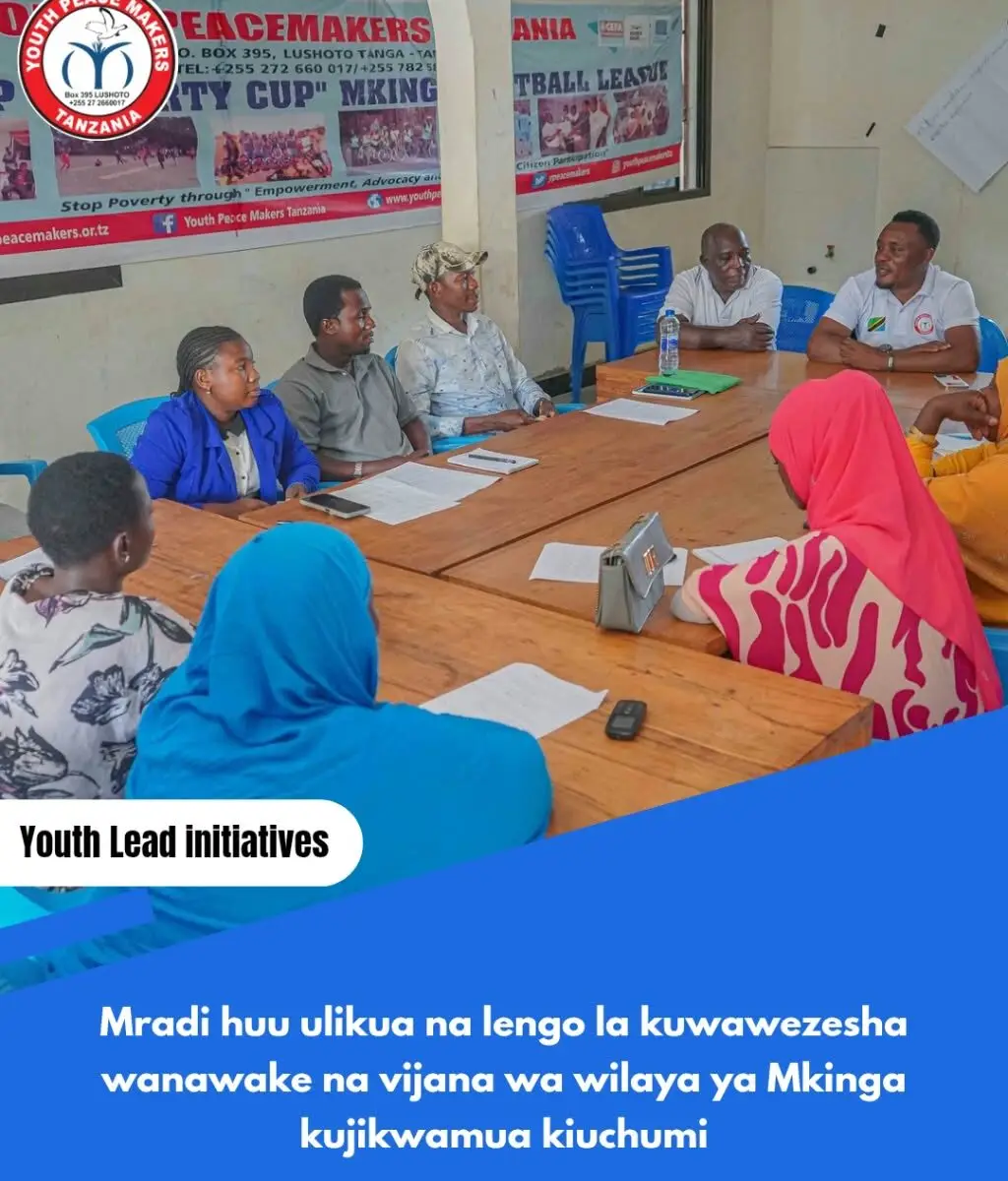
The impact of a peacebuilding programme is not only measured by the activities completed during the project period, but also by what communities choose to continue after the programme ends. In Mkinga District, 12 young people who participated in the Kujenga Amani programme have taken an important step toward sustaining peacebuilding efforts by forming their own youth-led group.
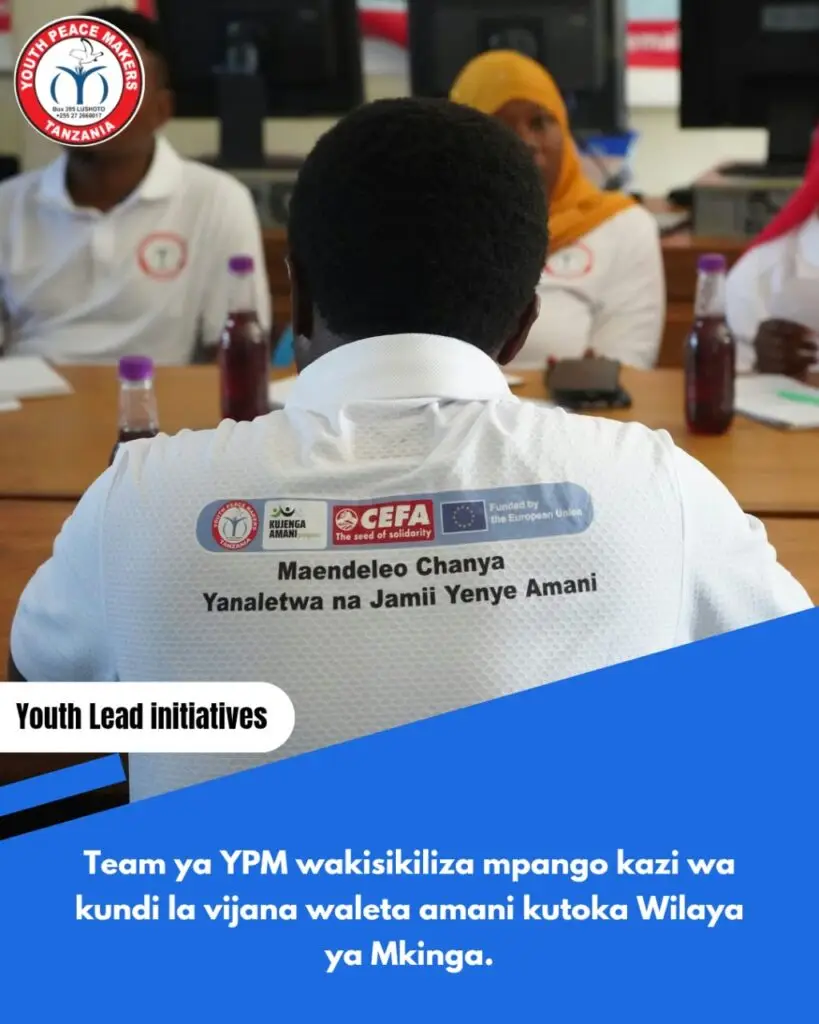
The initiative emerged from the young people’s shared realization that the challenges discussed and addressed during the programme—including peace and conflict, gender-based violence (GBV), youth unemployment, limited economic opportunities, and meaningful youth participation in community decision-making—require continued attention beyond the life of a single project.
Through Kujenga Amani, the young people gained knowledge and practical skills that encouraged them to look beyond their individual experiences and consider how they could contribute to positive change within their communities. The programme created opportunities for them to engage in discussions, participate in trainings, exchange experiences, and understand the role they can play in promoting peaceful and inclusive communities.
Rather than allowing the experience to end with the programme, the 12 youth decided to organize themselves into a group that will continue advocating for issues that directly affect young people in Mkinga.
A Platform for Youth Voices
The newly formed group seeks to create a platform where young people can speak up, share ideas, raise concerns, and advocate for solutions to challenges facing their communities. The members believe that young people should not only be consulted when decisions are being made but should also have meaningful opportunities to influence conversations and actions around issues affecting their lives.
One of the group’s key areas of focus is peacebuilding. The members aim to continue promoting dialogue, tolerance, understanding, and peaceful conflict resolution among young people and within their communities. By engaging their peers and encouraging open conversations, they hope to contribute to stronger relationships and more peaceful communities across Mkinga.
Standing Against Gender-Based Violence
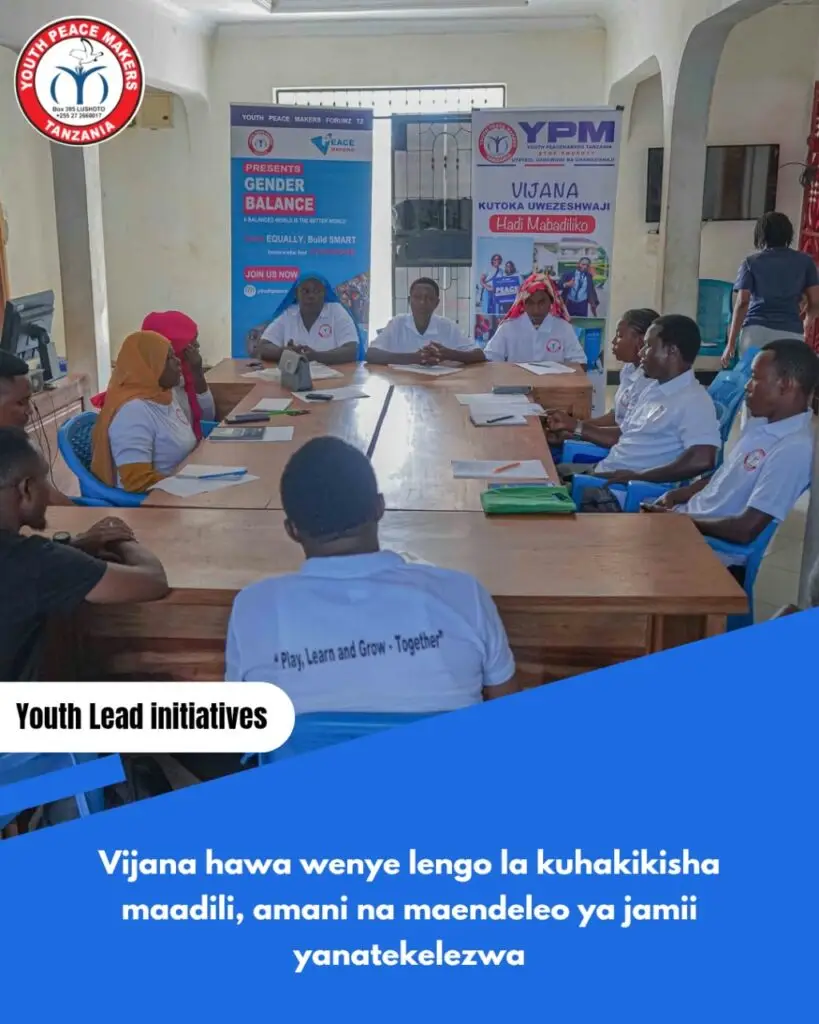
The group also intends to strengthen youth participation in efforts to prevent and address gender-based violence. The members recognize that GBV affects individuals, families, and communities and that young people have an important role to play in challenging harmful attitudes and behaviors that contribute to violence.
Through awareness and community advocacy, the group will encourage young people to understand their rights, speak out against violence, support survivors, and promote respectful and equitable relationships.
Creating Economic Opportunities for Young People
Economic empowerment is another important priority for the group. With limited employment and income-generating opportunities affecting many young people, the members see the need to promote awareness of entrepreneurship, skills development, employment opportunities, and access to economic resources.
The group aims to connect young people with opportunities, encourage peer learning, and advocate for greater investment in youth economic empowerment. By combining peacebuilding with economic advocacy, the young leaders recognize that sustainable peace is closely connected to the ability of young people to access meaningful opportunities and build secure livelihoods.
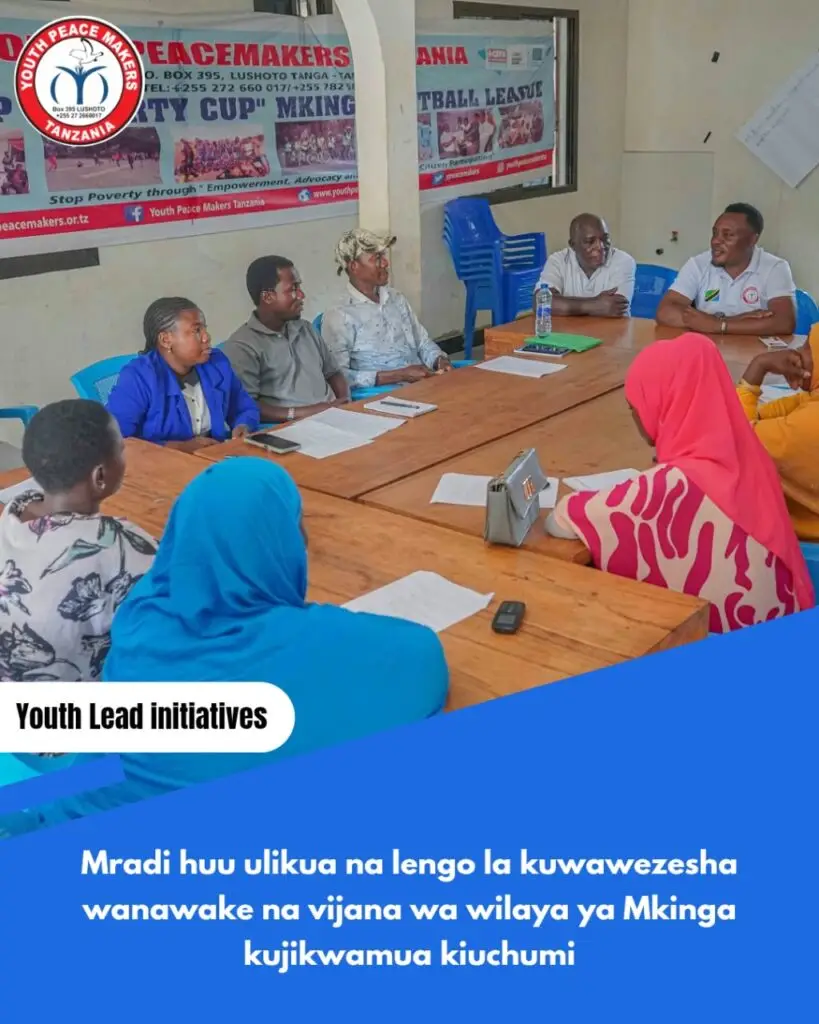
From Beneficiaries to Changemakers
The formation of this group represents an important shift—from young people participating in a programme to young people taking ownership of the change they want to see.
Their story demonstrates the value of investing in youth with knowledge, skills, confidence, and opportunities to participate. The 12 young people are now using their collective voice to continue conversations that began through Kujenga Amani and to encourage other young people to become active contributors to their communities.
Their journey is a reminder that youth empowerment does not have to end when a project ends. When young people are given the opportunity to learn, connect, and lead, they can create initiatives that continue generating impact long after the initial intervention.
The 12 young people are now carrying the spirit of Kujenga Amani forward—advocating for peace, standing against GBV, and working to expand economic opportunities for young people in Mkinga.