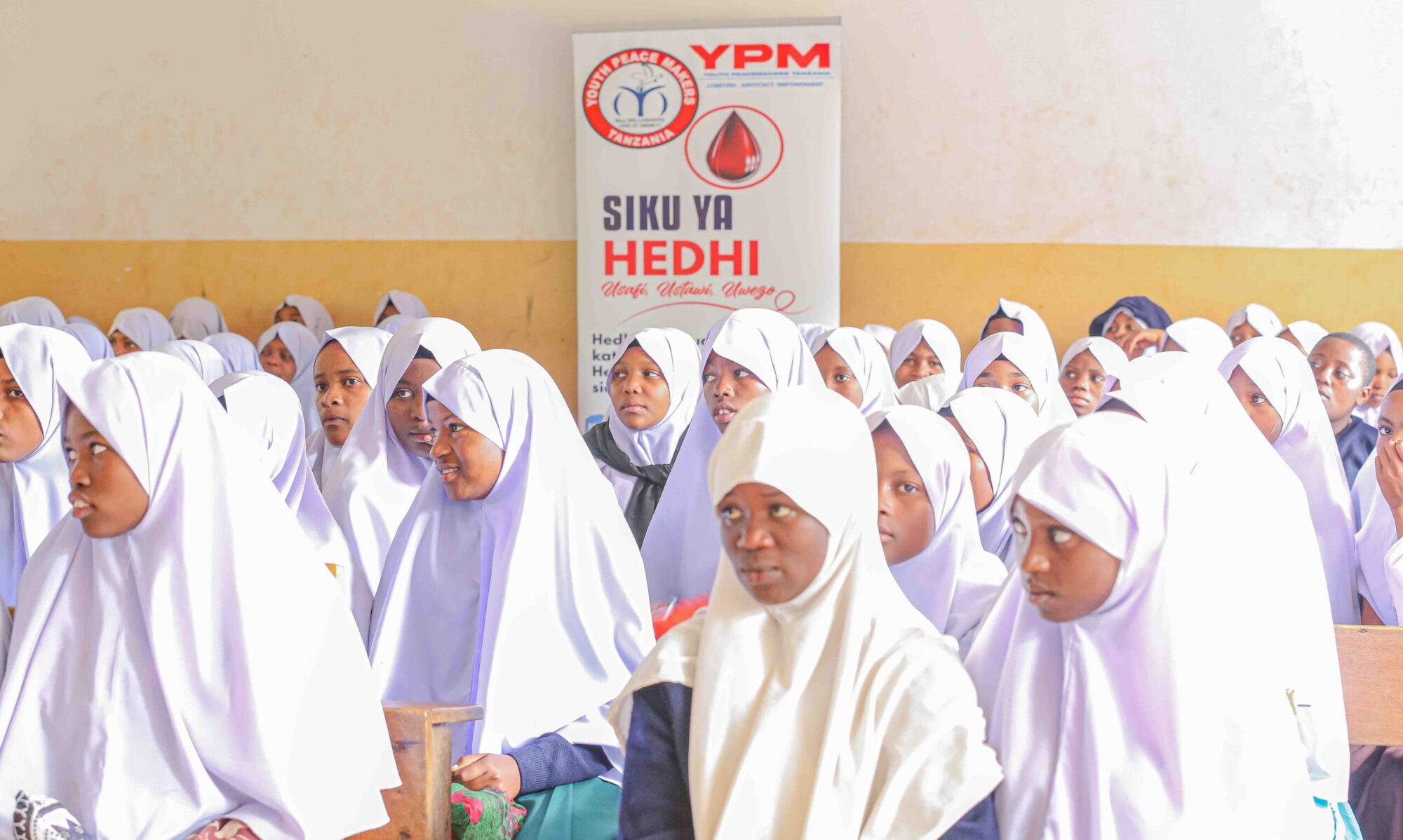
Leo ni siku ya maadhimisho ya siku ya UKIMWI duniani kauli mbiu ya mwaka huu ni IMARISHA USAWA Kauli mbiu hii inasisitiza kuimarisha USAWA katika maeneo yote katika jitihada za kudhibiti UKIMWI kwa hakikisha hakuna vikwazo vya Kiusawa katika jamii hasa usawa wa Kijinsia.
Today is the day of World AIDS Day, this year’s theme is STRENGTHEN EQUALITY This theme emphasizes strengthening EQUALITY in all areas in an effort to control AIDS by making sure there are no barriers to equality in society, especially gender equality.
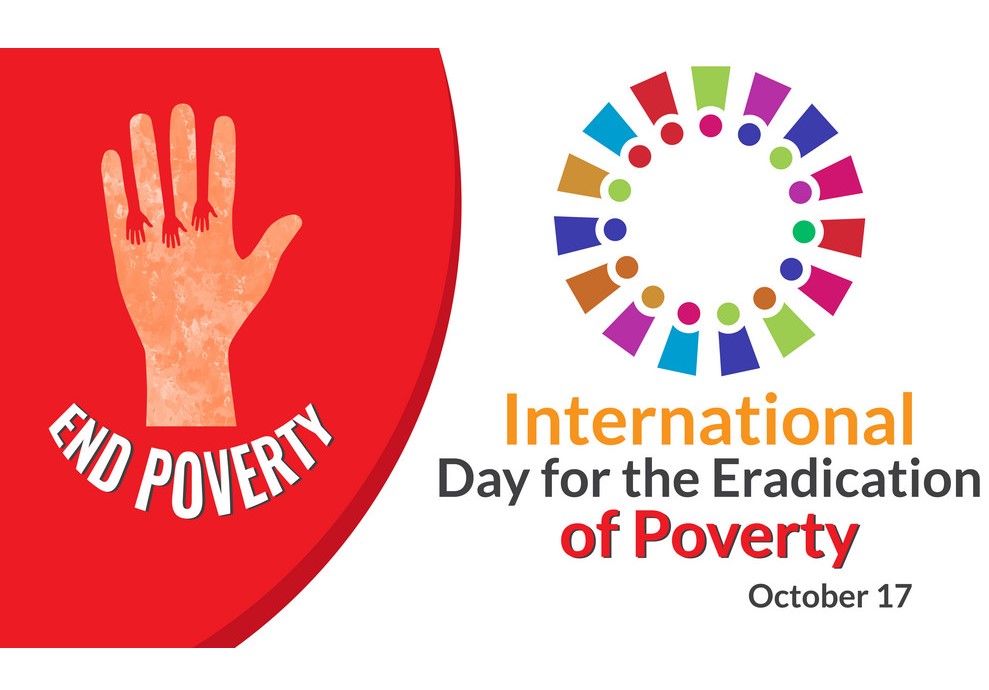
Today is the International Day for Poverty Eradication. Youth Peacemakers Tanzania is so humbled to join hands with the rest of the world to see how far we have come across and what are the challenges in this movement of Poverty eradication. Not only that but also employing new strategies to fight against poverty.
Dignity for all in practice is the umbrella theme of the International Day for the Eradication of Poverty for 2022-2023. The dignity of the human being is not only a fundamental right in itself but constitutes the basis of all other fundamental rights.
Let’s all join together to eradicate Poverty by making the world a better place. It starts with the community around you
Leo ni siku muhimu kwetu kama Taasisi ya Vijana Waleta Amani Tanzania. Siku hii ni siku ya Kutokomeza Umasikini. Tunanyenyekea na kuunganisha nguvu na wadau wengine ili kuona tulipotoka na tulipo na kuona nijinsi gani Tunaweza kuweka mbinu mpya za Kutokomeza Umasikini.
THE LUNCHING OF “STOP POVERTY CUP’’ FOOTBALL LEAGUE AT EASTERN MLALO DIVISION IN LUSHOTO DISTRICT
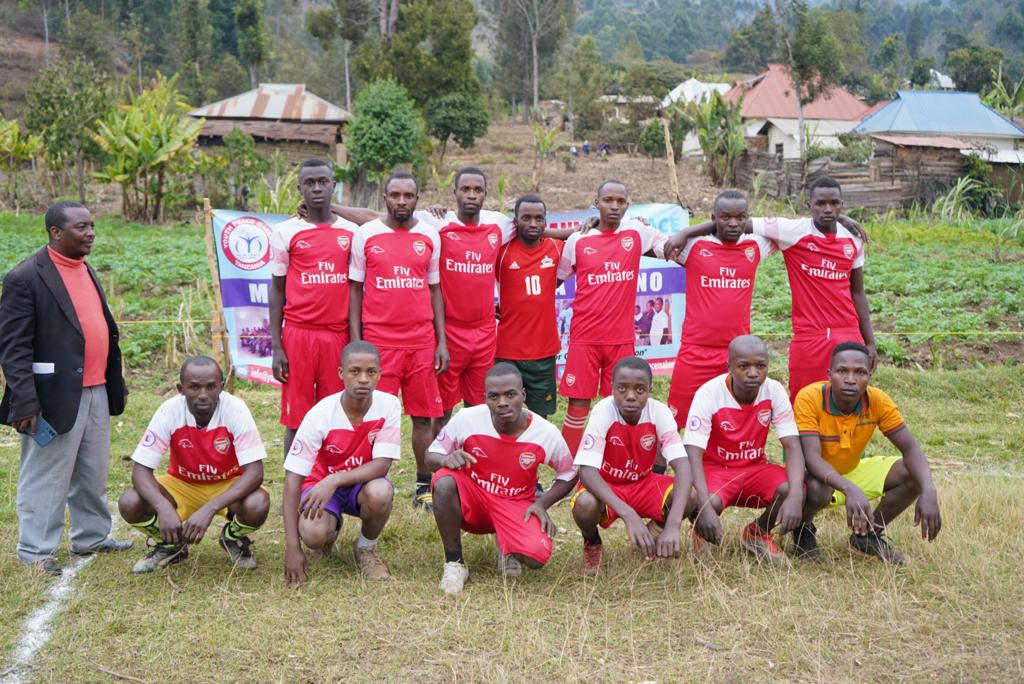
Jana ilikua siku njema kwa wana Msale ambao walikua wamekusanjika katika uwanja wao wa kijii cha Msale katika kata ya Hemtoye kwa shangwe na nderemo wakiwakilisha makundi yote yaliopo kwenye jamii yao ya wazee, watoto, vijana wanawake na watu wenye ulemavu wote kwa pamoja walikuwa tayari kushuhudia mtanange wa kukata na shoka wa ufunguzi wa mashindano ya Ligi ya Mpira wa Miguu katika kampeni ya “kutokomeza umaskini” yajulikanayo kama “Stop Poverty Cup Football League” ambapo zaidi ya timu kumi kutoka katika vijiji na vitongoji mbalimbali zimethibitisha kushiriki ligi hii. Mechi ya ufunguzi ilihusisha timu ya Nyuki FC toka kijiji cha Msale vs Villa FC kutoka kijiji cha Ziga. Mechi iliisha kwa Nyuki FC kuibuka na ushindi wa goli 4 – 1 dhidi ya Villa FC.
YPM inaendesha mashindano kama haya katika Wilaya za Mkinga na Korogwe kwa takribani miaka mitano sasa, kulingana na mafanikio yaliopatikana katika mashindano haya yanayolenga kutokomeza umaskini, kudumisha Amani katika jamii, kuhamasisha jamii kupinga ukatili wa kijinsia, ndoa na mimba za utotoni pamoja na kuinua jamii kiuchumi kupitia vikundi vya kijasiliamali na kukuza uwelewa juu ya mikopo ya halimashauri inayolenga vijana, wanawake na watu wenye ulemavu.
Katika kuona mafanikio ya ligi hii YPM iliona vyema kuanzisha mashindano haya ili kuleta chachu ya maendeleo chanya katika Tarafa Mlalo ambapo timu shiriki zimetoka katika kata za Hemtoye. Kilole. Kwekanga. Malindi na Malibwi. Akizungumza na watu waliokusanyika kushuhudia ufunguzi huo Meneja miradi wa YPM Mr. Peter Jally alisema ‘’Mashindano haya ni kwa ajili ya kuwaleta watu pamoja kuweza kutatua chanamoto mabalimbali zinazoikumba jamiii yao ikiwemo chagamoto za kiuchumi, kijamii kama vile kupinga vitendo viovu vinavyohatarisha Amani katika jamii bila kusahau ukatili wa kijinsia na kupinga ndoa na mimba za utotoni’’. Mgeni rasmi ambaye alikuwa ni mwenyekiti wa kijiji cha Msale Mh. Amdi Abeid amefurahishwa na ujio wa taasisi ya YPM kwa kuleta mashindano hayo kwa kusema kuwa “Ni nafasi ya upendeleleo kwao na wanaahidi kuitumia vizuri fursa hiyo ili kusaidia vijana na jamii kuleta maendeleo binafsi na maendeleo ya Taifa kwa ujumla katika michezo’.
Hata hivyo Afisa Mazingira na Michezo kwa maendeleo Ndg. Francis Kamote aliwaasa vijana wanaoshiriki mashindano hayo kutumia nafasi walioipata ili kuendeleza vipaji vyao maana michezo ni ajira. Alisisitiza pia utunzaji wa mazingira kwa kuwa ni suala mtambuka kwa kusema ‘’Niwaombe ndugu zangu pamoja na mambo ya michezo ambako huku tunaibua na kuendeleza vipaji na kutengeneza mazingira ya mtu kuajiliwa na kujiajiri kupitia michezo, ni lazima tukumbuke na kusimama imara katika utunzaji wa Mazingira kwakuwa suala hili ni nyeti na ni suala mtambuka. Utunzaji wa Mazingira ni suala ambalo haliepukiki. Maisha ni mazingira na mazingira ni maisha. Tunamshukuru mwenyezi Mungu ambae ametuwezesha kutusimamia na kufanikisha jambo hili’’
THE LAUNCHING OF “STOP POVERTY CUP” FOOTBALL LEAGUE AT EASTERN MLALO DIVISION IN LUSHOTO DISTRICT
Yesterday was a good day for the Msale people who had gathered in their field of Msale village in Hemtoye ward with joy and excitement representing all the groups in their community the elderly, children, young women and people with disabilities were all ready to witness the match of the opening of the Football League competition in the campaign to “eradicate poverty” known as “Stop Poverty Cup Football League” where more than ten teams from various villages and neighbourhoods have confirmed to participate in this league. The opening match involved the Nyuki FC team from Msale village vs Villa FC from Ziga village. The match ended with Nyuki FC winning 4-1 against Villa FC.
YPM has been conducting such competitions in Mkinga and Korogwe Districts for about five years now, based on the success achieved in these competitions aimed at eradicating poverty, maintaining Peace in the community, mobilizing the community to oppose gender violence,earlys marriage and early pregnancies as well as raising the community economically through entrepreneurial groups and promoting awareness on District council loans targeting youth, women and people with disabilities.
In seeing the success of this league, YPM thought it is good to start this competition to bring positive development in the Mlalo Division where participating teams are from Hemtoye wards, Kilole, Kwekanga,Malindi and Malibwi. Speaking to the people who gathered to witness the opening, YPM Program Manager Mr. Peter Jally said “This competition is to bring people together to solve the various challenges facing their community, including economic and social challenges such as opposing evil actions that endanger peace in society without forgetting Gender Based Violence and opposing early marriage and Early pregnancies.”. The official guest who was the Village Chairperson of Msale Hon. Amdi Abeid is pleased with the arrival of the YPM for bringing the competition by saying that “It is a privileged opportunity for them and they promise to make good use of the opportunity to help the youth and the community to bring personal development and the development of the Nation as a whole in sports”.
However, the Environment and Sports Development Officer Mr. Francis Kamote encouraged the young people participating in the competition to use the opportunity they had gotten to develop their talents because sports create jobs. He also stressed the care of the environment because it is a cross-cutting issue by saying “I should ask my brothers and sisters to take care of the environment while we raise and develop talents and create an environment for people to be employed and self-employed through sports, we must remember and stand firm in the care of the environment because this issue is sensitive and cross-cutting. Environmental Protection is an issue that cannot be avoided. Life is environment and environment is life. We thank the almighty God who has enabled us to manage and achieve this matter”
The following are some photos in various events at the opening of the “Stop Poverty Cup” league. Please continue to visit our website by clicking on the link www.youthpeacemakers.or.tz for more information.
Imeelezwa kua tatizo la afya ya akili ni moja ya sababu ambayo imekuwa ikipelekea jamii kuwa na uwezo mdogo wa kubuni na kukabiliana na changamoto za kimaisha na hatimaye kushindwa kuyafikia maendeleo yaliyokusudiwa.
Hayo yamebainishwa na Naibu Waziri wa Afya Dokta Godwin Mollel katika kongamano la Afya ya akili lilowakutanisha vijana mkoani Kilimanjaro.
Dokta Mollel amesema katika kukabiliana na changamoto za afya ya akili serikali imeendelea kuboresha miundombinu ya afya ikiwa ni pamoja na huduma ya mama na mtoto huku akiitaka jamii kujikita katika matumizi sahihi ya lisha bora hususani kwa watoto waliochini ya umria wa miaka mitano ili kuwa na kizazi chenye ubunifu katika nyanja mbalimbali zikiwemo za kiuchumi.
Akizungumza na na watu waliohudhuria Mkurugenzi wa Taasisi ya vijana waleta Amani Tanzania (Youth Peace Makers Tanzania) Mch.Godfrey Walalaze amesema kongamano hilo limelenga kufikisha elimu kwenye jamii juu ya masuala yanayohusu afya ya akili.
baadhi ya vijana ambao wameshiriki katika kongamano hilo wamesema kupitia elimu waliyoipata wanaenda kuwa mabalozi wazuri kwa kutoa elimu kwenye jamii hasa kwa vijana wenzao.
It has been pointed out that the mental health problem is one of the factors that has led the community to be less able to design and cope with life’s challenges and ultimately fail to achieve the intended development.
This was stated by the Deputy Minister of Health Dr. Godwin Mollel at Youth Change Summit with a theme ‘The Rapid Emergence of Mental Problems in the Community’’ that was hosted by Youth Peacemakers Tanzania through its Youth Peacemakers Forum in Kilimanjaro Tanzania.
Dr. Molell said in response to the mental health challenges the government has continued to improve health facilities including maternal and child care while urging the community to focus on proper nutrition management especially for children under the age of five to have a generation with children who grow up with innovative ideas in various fields including science and technology.
Speaking to the audience, Rev. Godfrey Walalaze, Director of the Youth Peacemakers Tanzania, said the summit was aimed at educating the community on issues related to mental health.
Some of the young people who have participated in the summit said that through the education they have acquired they are going to be good ambassadors by providing education in the community especially to their fellow young people.
Siku ya Kwanza ya Mkutano wa Afya ya Akili unaoendelea hapa Moshi mjini ukiwa na mada kuu : Kuongezeka kwa matatizo ya Afya ya Akili katika jamii..Mgeni rasmi . Dkt. Godwin Mollel Naibu waziri Wizara ya Afya
Fist day of Youth Change Summit that is going on here in Moshi Tanzania with the main theme: The Rapid Emergency of Mental Problem in the Community.Guest of honor: Depute Health Minister Dr. Godwin Mollel
SIGs training, Monitoring and Evaluation at Mkinga District in Tanga region.Below are photos during the events where by we got a chance to visit sisal farm that is owned by Lengo let SIG
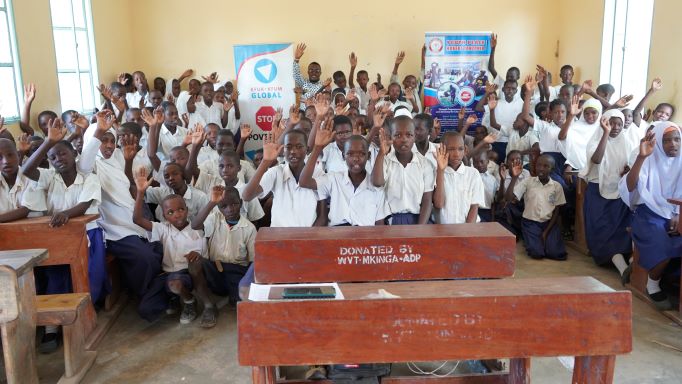
We had a great time with school students on discussing SDGs, From subject to citizen(S2C) and and discussing how we can stop Early marriage and Pregnancies at Mkinga district.
Kila tarehe 5Juni tunaadhimisha Siku ya Mazingira Duniani. Pengine, nitakuwa mbinafsi ikiwa sitasema chochote katika siku hii maalum ya kulinda dunia yetu. Lakini cha muhimu zaidi hapa ni kwamba, sisi kama raia wa dunia tunahitaji kubadili mitazamo, tabia mbaya na kuendeleza tabia chanya katika kulinda na kuhifadhi mazingira yetu kwa Maendeleo Endelevu. TAFADHALI FANYA KITU LEO. Vijana wa Peace Makers Tanzania katika siku hii walisherehekea pamoja na wapenda amani kutoka shule ya sekondari ya Shamabalai ambapo siku hiyo ilianza kwa mafunzo kuhusu SDGs yenye kuzingatia kuchukua hatua juu ya mabadiliko ya hali ya hewa na Usawa wa Kijinsia kwa kuzingatia kwamba, hatua juu ya hali ya hewa inahitaji kila mtu bila kujali jinsia yake au asili yake ya kihistoria. Mafunzo hayo yalifuatiwa na upandaji miti na kisha kukamilika kwa mechi ya mpira wa wavu.
Ninapendekeza utoe maoni yako hapa kile utakachofanya kwa mazingira yako ikiwa ni kweli unataka kubadilisha ulimwengu kama mwanaharakati wa mazingira.
On every 5th of June we celebrate the World Environmental Day. Probably, I would be selfish if I will not say anything in this very special day of protecting our mother earth. But what is more important here is that, we as the global citizens we need to change our bad attitudes, behaviours and develop positive behaviours in protecting and preserving our environment for Sustainable Development. PLEASE DO SOMETHING TODAY.
Youth Peace Makers Tanzania in this day celebrated with peacemakers from Shamabalai secondary school where the day started with a training on SDGs focusing on Climate Action and gender equality to the respect that Climate Action needs everyone regardless of their gender or historic background. The training was followed by trees planting and then finalised by volleyball match.
I kindly argue you comment here what you are going to do for your surroundings if it is real you want to change the world as an environmental activist.
Today was a great day where we were able to talk about S2C,SDGs raise awareness to stop Early marriage and Pregnancies with Kitala secondary peace club here at Lushoto Tanga.
We are looking forward for more interesting and engaging sessions.
Leo Tumepata nafasi ya kuzungunmza na vijana wetu wa klabu ya amani ya shule ya sekondari Kitala hapa wilayani Lishoto. Tumekua na mazungumzo mazuri juu ya malengo endelevu ya dunia, elimu ya kujitambua na kukuza uwelewa juu ya kutokomeza ndoa na mimba za utotoni.